 wrnty
wrnty
Do you need to register a product to get the warranty?
You just bought something expensive. A box in the store tells you to register the product. Do you have to? The short answer is: no. But it is often worth doing, and there are good reasons — and bad ones.
No. In most markets the purchase creates the warranty, not the registration. Registering a product mainly helps the manufacturer contact you about recalls and makes a future claim faster because your details are already on file. A few extended or component warranties genuinely do require registration, so it is worth checking the terms.

You just bought something expensive. Maybe it is a washing machine, a laptop, or a set of headphones. Inside the box — or on the confirmation page — is a message telling you to register the product.
Some manufacturers make it prominent: a QR code on the warranty card, a pop-up on the product's companion app, an email that arrives a few hours after your purchase. Others bury it in fine print.
The question many people are asking when they see that prompt is the same one that comes up in the forums: do I have to register this product to get the warranty?
The answer is important, and it is not what most marketing departments want you to believe.
Is registration required for warranty coverage?
Registering a product does not give you a warranty. Purchasing one does.
When you buy a product from an authorised seller with a valid receipt, the manufacturer's warranty — and any statutory consumer rights that apply in your country — are triggered automatically from the purchase date. That is it. No registration required by law in most jurisdictions.
What registration does is something entirely different. It tells the manufacturer who you are, which product you own, and how to reach you. That is a practical convenience for them. It is also a practical convenience for you, because it means the manufacturer has your details when something actually goes wrong.
But the two things are not the same. One creates the legal obligation. The other simply records who the obligation is owed to.
What does product registration actually do?
Think of product registration as the manufacturer's address book. Here is what it achieves:
Safety recalls and notices. If a product has a defect that poses a safety risk, the manufacturer will contact registered owners first. A toaster that overheats, a power supply that can fail, a child's toy with a small-part hazard — these are found through recall campaigns that start by mailing or emailing registered owners. If you have not registered, the recall still exists, but you are less likely to hear about it in time.
Warranty service. When you need to make a claim, some manufacturers prefer (and some effectively require) you to have an active registration before they will process a repair or replacement. The registration does not entitle you to the repair — your purchase does — but it may be a step in their internal process. Understanding the claim process itself — how to contact the right department, what to say, and what to do when they refuse — is covered in our guide to making a warranty claim.
Firmware and software updates. For connected devices, registration often ties the product to your account. This is how Apple pushes the latest iOS version to your devices, or how a smart TV manufacturer tells you a security patch is available. For non-connected products, firmware updates are less relevant, but the principle is the same: registration connects you to the product's lifecycle.
Warranty extensions and promotions. Some manufacturers use registration as the mechanism to activate a bonus warranty period. Sony used to run a nine-month extension on many cameras, requiring you to register within a set window. Samsung has done similar promotions. These are genuinely worthwhile if you plan to keep the product, but they are always voluntary.
Marketing and data collection. This is the part most companies do not advertise. Registration gives them your email, your model number, and a rough idea of your buying habits. They use this for targeted marketing, product development insights, or selling aggregated data to third parties. If you care about that, register with a separate email address — or accept that the manufacturer now has more information about what you own.
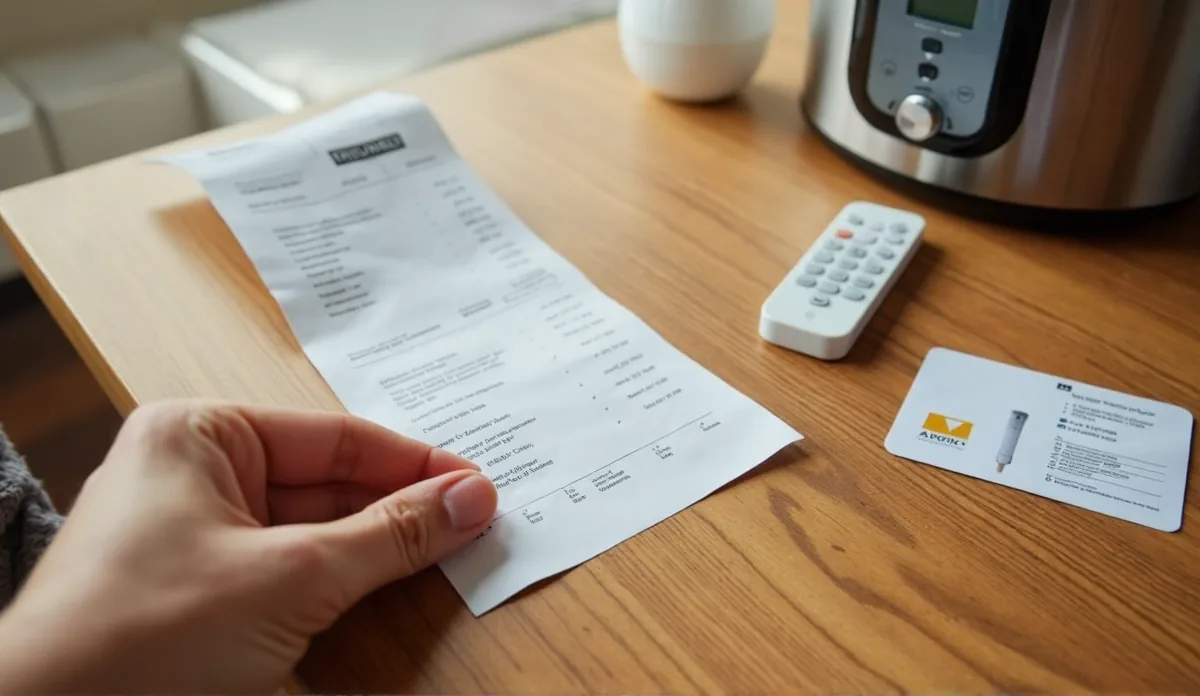
What does registration not do?
There are some things that no amount of registration will accomplish, and it is worth knowing these upfront:
It cannot create coverage you do not have. If a product is sold without a warranty (rare for new goods, more common with second-hand items or certain categories), registering it does not create one. If you buy from an unauthorised seller or a parallel importer, the manufacturer may refuse service regardless of registration — because the product may not be covered in your market. Registration is not a magic wand.
It does not extend the warranty on its own. A one-year warranty is one year from purchase, not from registration. Some manufacturers let you extend coverage, but that requires a separate transaction or a separate promotional offer. Registration alone does not add days.
It does not override the terms and conditions. Registration does not change what is covered, what is excluded, or what voids your warranty. If your warranty excludes water damage, registering the product does not add water damage coverage. If the warranty says unauthorised repairs void the cover, registration does not change that clause.
When does registration actually matter?
Not all registrations are created equal. Here is a practical way to think about which ones are worth your time:
Definitely register:
- High-value electronics (phones, laptops, cameras, drones) where a defect can be costly and safety recalls are more common
- Large appliances (washing machines, ovens, refrigerators) where warranty service often requires a technician visit
- Anything with an ongoing software lifecycle (smart TVs, connected health devices) where firmware updates and security patches matter
- Products from manufacturers that make their warranty claims entirely online and require registration as a gate
Maybe register:
- Mid-range consumer goods that you plan to keep for several years
- Products where the manufacturer runs meaningful extended-warranty promotions tied to registration
- Items where the manufacturer's customer service is known to be good, making the ease of having your details on file worthwhile
Probably not worth it:
- Low-cost items you would replace at a fraction of the purchase price if something goes wrong
- Products where the manufacturer has no meaningful service infrastructure (many furniture brands, for example)
- Items where registration feels like a data-harvesting exercise with no tangible benefit to you
The rule of thumb is simple: register the things that matter to your wallet, skip the rest.
What happens if you never register?
Nothing legal happens. Your warranty still exists. Your statutory rights are still intact. The manufacturer still has to honour their obligations if you can prove purchase.
What happens is practical. You may not receive a safety recall notice until it is too late. You may find that the online claim process asks for your registration number before it will let you submit a repair request, meaning you have to go back and register retroactively — which some manufacturers allow, others do not. And you may miss out on extended-warranty promotions that required registration within a window after purchase. All of this assumes you have your proof of purchase available, which is a topic covered in more detail in our post on what counts as proof of purchase.
None of this means the warranty is void. It means the process is less convenient. There is a difference between a warranty that does not exist and a warranty that exists but is harder to access.
How do you keep track of what you have registered?
This is where the habit of recording your purchases matters.
Many people never register a product because they cannot remember the model number, the serial number, or the purchase date without first digging through a box, a receipt, or a confirmation email. They want to register — they just cannot find the details in a useful state.
Keeping a simple record of every purchase with its model number, serial number, and purchase date makes registration a ten-second task. It also makes the eventual warranty claim a ten-second task instead of an hour-long hunt through a drawer of papers.
This is the exact habit wrnty was designed for: recording each purchase with its key details, attaching a photo of the receipt, and having everything searchable the moment something breaks. You type the information in once when you buy the item, and then you can find the model number, serial number, and proof of purchase in seconds whenever you need them — for registration, for a warranty claim, or for an insurance inventory.
The free tier tracks up to two items. The one-time Premium purchase unlocks unlimited items, expiry alerts, iCloud sync across your devices, and PDF export for insurance and warranty claims. It is private by design: no account, no data uploaded to the developer, and your information stored only on your device (synced through your own iCloud if you enable it). Available in 28 languages.
But you do not need the app for the core habit. A spreadsheet, a labelled folder in your email inbox, a set of photos in your camera roll — any of these will also work. The dedicated tracker simply saves you the time of hunting each time.
What does registering actually involve?
If you decide to register, the process is usually straightforward:
- Find the product's model number and serial number. These are typically on a label on the product itself, on the original packaging, or in the user manual.
- Locate your proof of purchase. The receipt, invoice, or order confirmation. You need the date and the merchant.
- Go to the manufacturer's website and find the registration page. Some manufacturers embed this in their support section. Some include a form in the warranty card. Some integrate registration into their online warranty claim portal.
- Fill in the required fields. Model number, serial number, purchase date, your name, address, and email. Double-check the serial number — a single typo is the most common reason registration fails. Keep your proof of purchase (the receipt, invoice, or order confirmation) handy while you do this, because many registration forms ask for it.
- Save the confirmation. Some manufacturers email a registration number. Some show it on screen. Whatever you get, save it alongside your proof of purchase.
The whole process should take about two minutes. If a manufacturer asks for more than that, they are either collecting excessive information or their process is poorly designed.
How do statutory rights fit in?
It is worth distinguishing one more time between what registration does and what consumer law provides, because these two concepts are often conflated.
In many countries, you have a statutory right against the seller when a product is faulty, defective, or not fit for purpose. This is separate from any manufacturer warranty. It is a consumer protection right, not a contractual one. The manufacturer's registration system has no bearing on it.
What the registration system does relate to is the manufacturer's voluntary warranty — the extra cover they offer on top of the statutory minimum. Registration helps you access this cover more smoothly, but it does not create it.
If a manufacturer tells you that you need to register a product to access your statutory rights, that is incorrect. Statutory rights exist regardless of registration, regardless of warranty cards, regardless of whether you have the original receipt (though having one makes the process much easier). If you are ever in that situation, your statutory rights are a separate topic from product registration.
The bottom line
Product registration is a practical tool, not a legal requirement. It is the mechanism a manufacturer uses to find you when a product needs attention. It does not create warranty coverage. Your purchase does that.
Register the high-value items and anything where safety recalls matter. Skip the rest. And keep the details — model number, serial number, purchase date, proof of purchase — in a place you can find them quickly. That is the single most useful thing you can do, and it matters whether or not you register.
Common questions
Does registering a product create a warranty?
No. Registration does not create warranty coverage. Your purchase does. A warranty is established the moment you buy the product from an authorised seller. Registration is a separate step where you tell the manufacturer who you are and how to reach you — so that when a defect appears during the warranty period, they know where to send a replacement or arrange a repair.
What does product registration actually do?
It allows the manufacturer to contact you about safety recalls, firmware updates, or warranty claims. Without registration, the manufacturer still owes you the warranty, but you may not know the product has been recalled or that the manufacturer needs your input to process a repair. Think of registration as the manufacturer's address book, not your legal proof of coverage.
Is product registration required to activate a warranty?
For most consumer products, the answer is no. In many countries, consumer protection law means the warranty starts from the purchase date regardless of whether you registered. However, some manufacturers — particularly in electronics and appliances — make registration a step in their online claim process, effectively treating it as a requirement even though it is not the legal source of your cover.
Should I register every product I buy?
It depends on the item and the manufacturer. For high-value electronics, large appliances, and anything a manufacturer is likely to issue safety recalls for, registration is worthwhile. For cheaper items where you would simply replace them at a fraction of the cost, registration may not be worth your time. Register the things that matter, skip the rest.
What information do I need to register a product?
Typically the product model number, serial number, date of purchase, and your contact details. You will find the model and serial number on the product itself, the box, or the user manual. Keep these details in a record alongside your proof of purchase — whether that is a dedicated app, a folder, or a well-organised drawer — because they are exactly what you will need for registration and, eventually, for any claim.
Does product registration expire?
The registration itself does not expire, but the warranty it relates to does. Some manufacturers treat the registration as tied to the purchase date and extend it automatically when you buy an extended warranty. Others reset or limit the registration window to a short period after purchase. Check the fine print, but remember: registration expiry is a procedural thing, not a legal one. If your warranty is still valid and you can prove purchase, the manufacturer still has to honour it.
Where this comes from
Stop losing money to expired warranties
wrnty keeps every warranty and receipt in one place and reminds you before each one runs out. One-time purchase, no subscription.

Keep reading

What counts as proof of purchase — and what to do without a receipt
You need to make a warranty claim. The receipt is gone. Good news: you may still have more proof than you think.

How to make a warranty claim (and what to do when it's refused)
Something breaks. The warranty should cover it. Then the claim gets pushed, delayed, or refused. Here is how to make it stick.